


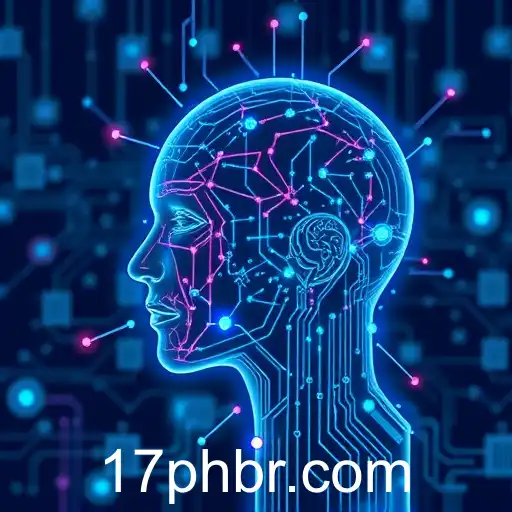
Exploring how quantum technology is reshaping education in the modern world, and what it means for the future of learning.
In recent years, the educational landscape has undergone a seismic shift as advanced technologies carve out new pathways in the sector. One of the most groundbreaking entrants into this sphere is quantum technology. This field, known for its potential to revolutionize computing power, is beginning to make substantial impacts on educational methodologies and frameworks worldwide.
Quantum technology, previously confined to the realm of theoretical physics and high-tech labs, is now venturing into practical applications that could transform learning experiences. With its ability to process information much faster than classical systems, quantum computing can handle complex calculations and tasks far beyond the capacity of traditional systems, promising new horizons in educational analytics and personalized learning.
Institutions globally are piloting projects that integrate quantum technology into their curriculums. By leveraging these advanced systems, educators can model complex phenomena and visualize intricate data sets more efficiently, providing students with an unprecedented depth of understanding in subjects ranging from chemistry to computer science.
However, as with any emerging technology, the path forward is rife with challenges. The complexity of quantum systems requires substantial resources and knowledge, which can limit accessibility for smaller institutions or less affluent areas. Furthermore, the rapid evolution of the field demands continual updates to educational content and teaching methodologies.
Despite these challenges, the potential benefits of integrating quantum technology into education cannot be overstated. Not only does it offer innovative ways to engage students, but it also prepares them for careers in burgeoning fields that heavily rely on these skills, thereby aligning educational outcomes with future workforce needs.
As we navigate the ever-evolving landscape of education, it's imperative that educators, policymakers, and technologists collaborate to harness these technologies effectively. By doing so, they can ensure equitable access and secure a place for all learners in the dynamic, technologically advanced future that lies ahead.

